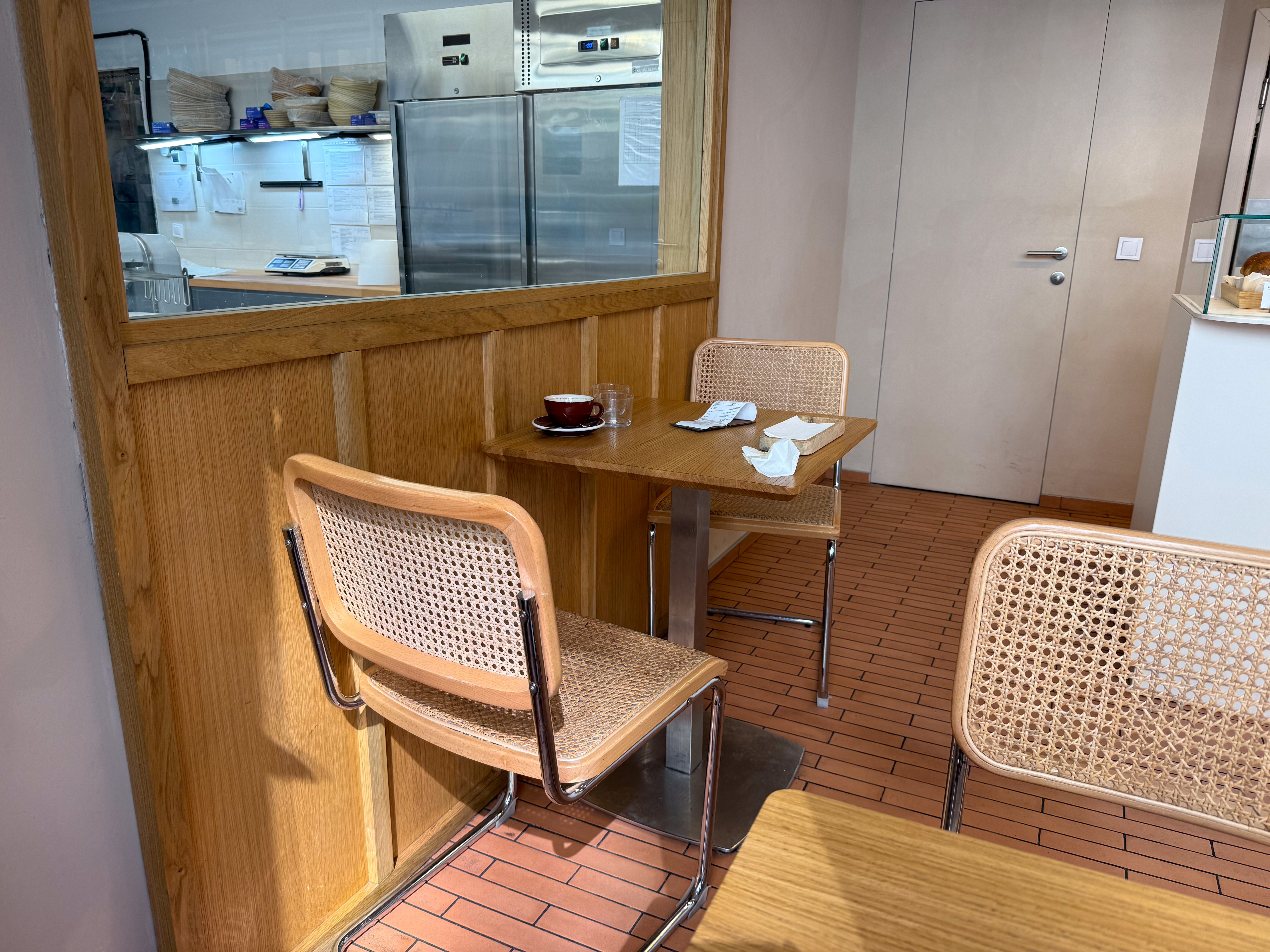
What affects purchasing costs in a restaurant?
For many restaurants, purchasing is one of the biggest cost items – but also one of the least optimized. The price you pay is determined not only by the supplier, but by how you structure your purchases and the decisions you make over time.
Common factors that affect your purchasing costs:
Agreements and pricing terms
Volumes and how purchases are coordinated
Number of suppliers
Transparency in pricing
Time and routines around ordering
Small inefficiencies here can quickly become large costs over time.
Common mistakes restaurants make in their purchasing
Many restaurateurs work operationally under time pressure – which means purchasing often becomes something they “just handle.” It works in everyday operations, but rarely leads to optimized costs.
Common mistakes:
Buying from multiple suppliers without a clear overview
Not comparing prices continuously
Letting old agreements roll on without follow-up
Making decisions based on habit instead of data
The result is that many restaurants pay more than they need to – without even knowing it.
5 concrete ways to lower purchasing costs
There are no shortcuts – but there are clear areas for improvement that deliver immediate results.
1. Consolidate your purchases
By consolidating larger volumes with fewer suppliers, you can negotiate better terms and get a more competitive price picture.
2. Review your agreements regularly
The market changes quickly. Suppliers adjust prices, and new players enter the market. Actively following up on your agreements is crucial.
3. Compare suppliers continuously
Price differences between suppliers can be larger than many think. Comparing gives you better decision-making data.
4. Gain insight into your purchasing data
Without data, it is difficult to understand where the money actually goes. With the right insight, you can identify deviations and opportunities.
5. Work more structurally – less ad hoc
Routines and systems reduce the risk of quick decisions that cost more than they should.
How successful restaurants work with purchasing
The restaurants that succeed best with their purchasing rarely make drastic changes. Instead, they work consistently with structure, follow-up, and improvement.
They have:
Clear control over their purchases
Insight into what they actually pay
A well-thought-out strategy for suppliers
Routines for continuous optimization
It’s not about working more – it’s about working smarter.
How to get started
Optimizing purchasing doesn’t have to be complicated. The most important thing is to start gaining an overview and understand the current situation.
Start by:
Mapping your current purchases
Identifying where you lack control
Comparing your terms with the market
Small steps can quickly have a big impact on the bottom line.
Click here to learn more about purchasing agreements.
How to lower purchasing costs
What affects purchasing costs in a restaurant?
Läs artikel →
How do purchase agreements work for restaurants?
How successful restaurateurs work with purchasing agreements
Läs artikel →
Best wholesaler for restaurants in Sweden - how to choose the right one
What determines which wholesaler is best for your restaurant?
Läs artikel →