Restaurant Inventory Management
Restaurant Inventory Management
Restaurant Inventory Management
How to manage restaurant inventory: stock levels, inventory audits, FIFO, food cost, and inventory turnover, plus how smarter purchasing reduces holding costs.
How to manage restaurant inventory: stock levels, inventory audits, FIFO, food cost, and inventory turnover, plus how smarter purchasing reduces holding costs.
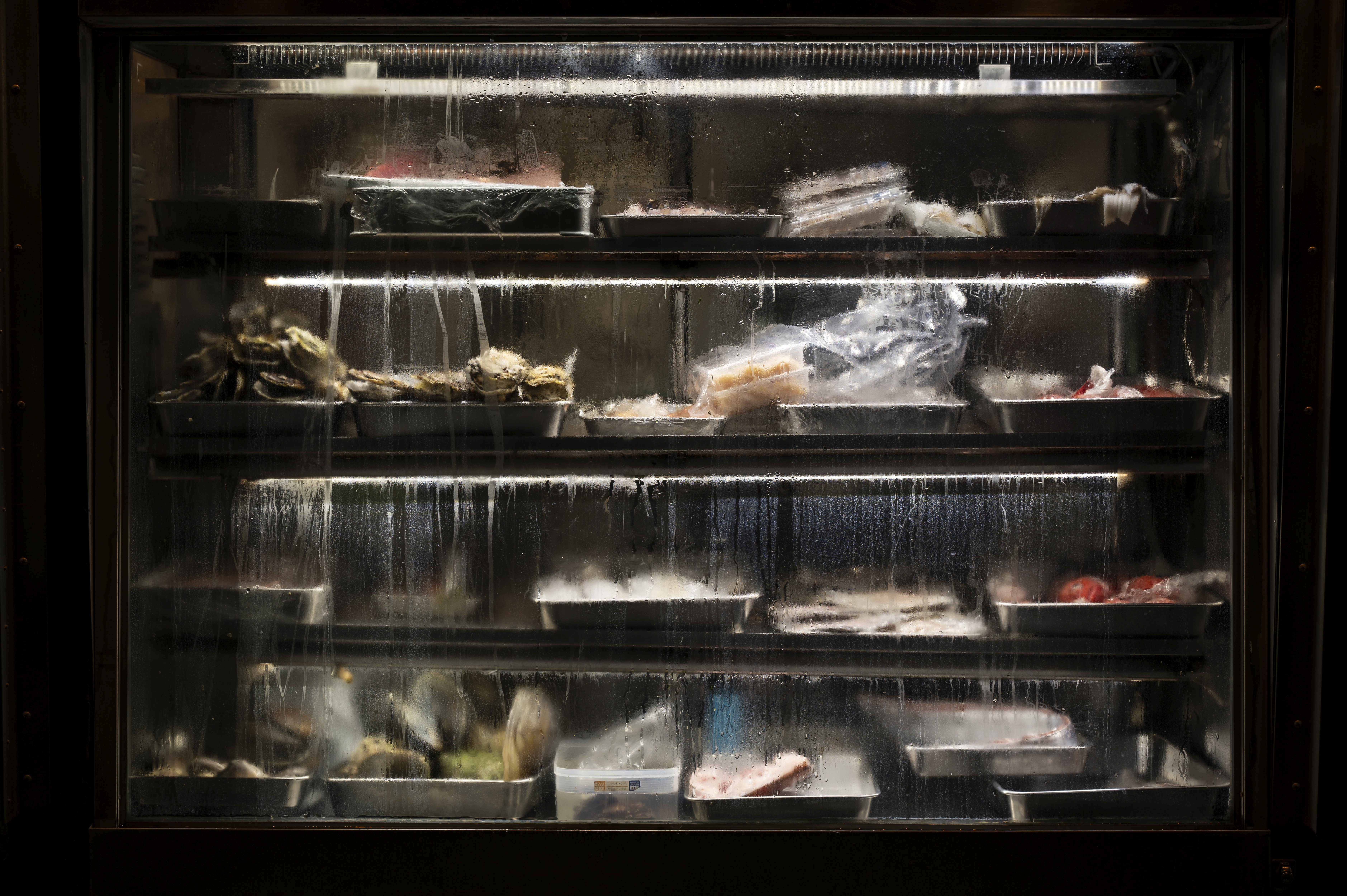
Good inventory management in a restaurant means that you always know three things: what you have, where it is, and what you need before the next delivery. You will come a long way with set inventory levels for each item, a reorder point that indicates when the item should be included in the order, regular stocktaking, FIFO in the cold room and dry storage, and straightforward monitoring of cost of goods sold and waste. This way, you tie up less capital, throw away less food, and avoid expensive emergency purchases. Below, we go through how to do this step by step, how to calculate your inventory, and where purchasing terms come into play.
Key Insights
Set a desired inventory level and a reorder point for each item. This turns ordering into a routine rather than guesswork.
Take stock on set days and in the same way every time. Without a reliable ending inventory, the cost of goods sold will be inaccurate.
FIFO and proper refrigeration temperatures are the most cost-effective measures against waste available.
Track three key metrics: food cost percentage, inventory turnover, and waste. They show where the money is going.
Inventory begins with the supplier. Better contracts, fewer suppliers, and the right delivery days reduce both the price and the amount of goods you need to keep on hand.
Table of Contents
What inventory management in a restaurant entails
In a restaurant, inventory is everything that has been purchased but not yet sold: raw ingredients in the fridge and freezer, dry goods, beverages, packaging, cleaning supplies, and disposable items. Inventory management encompasses the routines surrounding that flow, from receiving the goods until they end up on the plate or in the bin.
It differs from inventory management in a store or an industrial warehouse on a few key points:
Short shelf life. Fish, dairy, fruit, and vegetables have days, not months.
Different units of measure. You buy salmon by the kilo, use it per portion, and sell it as a dish. Recipes are the link between purchasing and sales.
Fluctuating demand. Weather, weekends, events, and seasons shift sales from day to day.
Limited space. Coolers, freezers, and storage rooms are often cramped, which sets a limit on how much you can purchase at one time.
Inventory control is the component focused on deciding how much of each item should be on hand and when to order. That is where the most money can be saved.
Inventory control: desired level and reorder point
The simplest system that works in a kitchen is based on two figures per item.
Desired inventory level is how much you want on hand immediately after a delivery. It should last until the next delivery, plus a buffer.
Reorder point is the lower level that signals that the item must be included in the next order.
When ordering, you replenish up to the desired level, no more. It sounds obvious, but this is precisely where the habit of "taking a little extra just in case" tends to creep in and tie up money on the shelves.
How to calculate the levels
You need three pieces of information per item: average daily consumption, delivery frequency, and the lead time from order to delivery. Then add a buffer for fluctuations, typically 10 to 25 percent depending on how stable sales are.
A calculation example with salmon:
Metric | Value |
|---|---|
Daily consumption | 6 kg |
Delivery | every third day |
Lead time from order to delivery | 1 day |
Buffer | 20% |
Desired inventory level (6 kg × 3 days × 1.2) | approx. 22 kg |
Reorder point (6 kg × 1 day + 3.6 kg buffer) | approx. 10 kg |
When the inventory reaches 10 kg, you order up to 22 kg. If you sell more on weekends, consider setting separate levels for Friday and Saturday.
Plan according to sales and seasonality
Sales data from the POS system shows what has been sold, but not what is actually sitting in the cooler. To calculate purchasing needs, you therefore need to combine:
Expected number of portions sold per dish.
The recipe quantity per portion and the raw ingredient yield after trimming and cooking.
Current physical inventory.
Deliveries that have already been confirmed.
Review the levels at least once a quarter and always when changing the menu. A new dish can completely alter the consumption of an ingredient. Also, plan the menu so that the same raw ingredient is used in multiple dishes, and buy in season when possible. This results in fewer items to track and less risk of items being left unused.
Stocktaking step by step
Stocktaking is the foundation of all key metrics. An inaccurate ending inventory results in an inaccurate cost of goods sold, leading to decisions based on flawed data.
Set a fixed schedule. Weekly for perishables and expensive items such as meat, fish, and wine. Monthly is often sufficient for dry goods, packaging, and cleaning supplies.
Count at the same time. Preferably after closing or before the first delivery, so that nothing is coming in or going out.
Follow the same order every time. Organize the inventory sheet according to how the fridge, freezer, and storage rooms are physically laid out, shelf by shelf.
Use the same unit of measure you buy in. If you count salmon in kilos, the invoice should also be in kilos. Opened packages are recorded as a fraction of a package.
Value at the latest purchase price. This way, the inventory value reflects what it would cost to purchase the goods today.
Reconcile against expected inventory. Starting inventory plus deliveries, minus consumption and recorded waste, should roughly match what you counted. Significant discrepancies point to portioning issues, unrecorded waste, or errors in receiving.
Check dates at the same time. Move items approaching their best-before or use-by date forward and incorporate them into the daily special.
Consider having two people count together the first few times—one counting and one recording. It is faster and ensures accuracy.
FIFO, storage, and receiving
FIFO—first in, first out—is the habit that makes the greatest difference for waste reduction. New deliveries are placed behind existing stock, and everything that is opened or prepped is date-labeled. If items have different shelf lives despite arriving at the same time, prioritize the one that expires first.
Three additional routines that keep costs down:
Monitor refrigeration temperatures. The Swedish National Food Agency’s guideline for chilled goods is a maximum of 8 °C, or lower if indicated on the packaging. Many kitchens keep refrigerators colder than that, as raw ingredients last longer. The specific temperature required for your goods should be stated in your self-monitoring program, and if in doubt, consult your local municipal food inspector.
Receive goods thoroughly. Check quantity, weight, temperature, and dates against the delivery note before the driver leaves. An incorrect delivery that goes unnoticed becomes an inventory discrepancy and an expense.
Replenish in batches. Do not put out more than necessary on buffets, service lines, or display cases. Instead, replenish multiple times. This reduces waste and is better for food safety.
Track waste
Maintain a simple waste log where staff record the item, quantity, time, and cause: expired date, overproduction, ordering error, or plate waste. Keep staff meals and complimentary dishes in a separate column so they do not obscure true waste. Convert waste to a monetary value each month and share the figure with the entire kitchen team. What gets measured and seen tends to decrease.
How to calculate inventory and carrying costs
Three key metrics are enough to manage inventory. All are based on stocktaking.
Cost of goods sold and food cost percentage
You calculate consumption during a period as follows:
Starting inventory + purchases − ending inventory = cost of goods sold
The food cost percentage is then the cost of goods sold divided by sales excluding VAT, multiplied by 100.
Example for one week:
Item | Amount |
|---|---|
Starting inventory | SEK 40,000 |
Purchases during the week | SEK 38,000 |
Ending inventory | SEK 42,000 |
Cost of goods sold | SEK 36,000 |
Sales excl. VAT | SEK 120,000 |
Food cost percentage | 30% |
What constitutes a reasonable level depends on the concept. Many full-service restaurants land roughly between 25 and 35 percent, while quick-service concepts often run lower. More important than the industry average is comparing your actual cost of goods sold with the theoretical cost—meaning what the recipes indicate the goods should have cost. With our menu costing tool, you calculate the raw ingredient percentage and selling price per dish, giving you a baseline for comparison.
Inventory turnover
Inventory turnover indicates how many times the inventory is replaced over a period:
Cost of goods sold for the period ÷ average inventory value = inventory turnover
If the cost of goods sold for a month is SEK 150,000 and the average inventory is SEK 40,000, the turnover is approximately 3.75 times per month. This means an item sits on the shelf for an average of about eight days. Perishables should turn over significantly faster than that, while dry goods and beverages move more slowly. It is advisable to calculate this metric per product category; otherwise, a well-stocked wine cellar might conceal that the fish cooler is turning over too slowly.
Costs not visible on the invoice
Inventory costs more than just the purchase price:
Tied-up capital. Every crown sitting in storage is a crown unavailable in the bank account.
Waste. Goods that expire, dry out, or get damaged.
Emergency purchases. When an item runs out and you buy it at a retail store or request an extra delivery, you often pay more per unit and sometimes an additional freight charge.
Time. Staff spending time searching for, moving, and counting items in an unorganized storage area.
Space and energy. Packed walk-in coolers and freezers consume more electricity and make organization difficult.
The goal is therefore not to keep inventory as small as possible, but to have enough stock to meet demand without leaving anything unused.
Cleaning supplies, packaging, and other non-food items
Non-food items are often overlooked in inventory management because they do not spoil. However, the cost quietly accumulates, and this is where emergency purchases frequently occur.
Cleaning and hygiene products
Assign each item a desired level and reorder point, just as you do for raw ingredients.
Consolidate cleaning chemicals, paper products, gloves, and dishwashing detergents among as few suppliers as possible. Higher volume per supplier provides a stronger negotiating position.
Monitor weekly consumption. If it rises without a corresponding increase in sales, it may indicate improper dosing or using the wrong product for the task.
Order alongside regular deliveries rather than separately to avoid extra shipping fees.
Packaging and disposables
For takeaway and delivery, packaging is part of the cost of goods per dish. Calculate it: add up everything included with the order—such as containers, lids, sauce cups, cutlery, napkins, and bags—and multiply by the unit price. This reveals what each order actually costs.
Once the cost per dish is clear, it becomes easier to take action:
Choose the right size. An oversized container costs more and requires more filler.
Standardize. Fewer packaging types mean higher volumes per item and simpler inventory.
Plan purchases. Fixed agreements and regular orders are generally cheaper than buying when the shelf is empty.
Include packaging in the menu cost calculation so that the price of takeaway dishes covers the full cost.
Digital tools or spreadsheets?
There are several ways to keep inventory organized, and the best method is the one the kitchen team can realistically maintain.
Method | Suitable for | Considerations |
|---|---|---|
Paper list or spreadsheet | Smaller kitchens with few items | Requires discipline and manual reconciliation against invoices |
Periodic stocktaking in inventory software | Most restaurants and cafes | Provides key metrics on a weekly or monthly basis |
Perpetual inventory linked to POS | Larger kitchens and chains | Recipes must be accurate for inventory counts to be correct |
Barcode or scanning | High-value goods like meat, fish, and wine | Takes time to implement but reduces errors |
Regardless of the tool, the fundamentals remain the same: accurate recipes, stocktaking on set days, and recording invoices with the correct prices. An advanced system with outdated figures leads to worse decisions than a simple spreadsheet that is always accurate.
Inventory starts with purchasing
Much of what determines your inventory levels is decided before the goods arrive at your door. The number of suppliers, delivery days, minimum order values, and unit prices dictate how much stock you need to carry and what it costs.
A few strategies that typically yield results:
Fewer suppliers. Consolidate purchases with a few core suppliers. This simplifies receiving, reduces invoices, and secures better terms. Read more about how to find the right restaurant wholesaler.
More frequent deliveries when possible. More frequent deliveries of fresh items lower the desired inventory level and consequently reduce waste.
Monitor prices. Price increases on invoices are rarely noticed until the food cost percentage has already climbed. Regularly compare what you pay for your top-selling items.
Renegotiate agreements. Terms that were favorable two years ago might not be today. Here we outline how purchasing agreements work and how to lower your purchasing costs.
Better purchasing terms through Svenska Krögare
As a member of Svenska Krögare, you gain access to agreements negotiated specifically for restaurants, cafes, hotels, and catering businesses. The agreements cover wholesalers, fruit and vegetables, meat, fish and seafood, beverages, non-food and equipment, pest control and fire protection, as well as insurance and payment solutions. You can view our entire selection of agreements on one page, and on the page What does your butter cost? you can compare your prices against our contract prices. Members also receive data and analytics for better purchasing and ongoing support from us. How much you save depends on your operations and purchasing volume. Join for free.
Our view on restaurant inventory management
We meet many restaurateurs who spend a lot of time counting inventory but very little time asking why the inventory looks the way it does. The answer often lies in purchasing: too many suppliers, delivery schedules that don't suit the kitchen, and prices that haven't been compared in a long time.
That is why we view inventory management and purchasing as part of the same effort. A good contract doesn't just provide a lower price per kilo. It also provides deliveries you can plan around, allowing you to carry less stock without risking running out of essentials.
Our network includes over 1,200 restaurants. This collective purchasing power allows us to negotiate terms that an individual establishment rarely achieves on its own, and with our data-driven procurement tools, you can see how your prices and volumes stack up. Our members can save up to SEK 42,000 per year. What that amounts to for you depends on your purchasing, but the takeaway is the same for everyone: when purchasing is dialed in, inventory becomes much easier to manage.
Frequently asked questions
How often should a restaurant take inventory?
Most restaurants conduct a full inventory count once a month in connection with the monthly close. Expensive fresh items like meat, fish, and wine are best counted weekly, as waste and discrepancies become apparent much faster. The most important thing is that you count on the same day and in the same manner every time.
How much inventory should a restaurant carry?
Inventory should cover the period until the next delivery, plus a buffer for fluctuations. What that equates to in monetary terms depends on delivery frequency and your concept. Track inventory turnover by product category: perishables should turn over quickly, while dry goods and beverages can sit longer.
What is the difference between inventory management and inventory control?
Inventory management involves the physical handling of goods: receiving, storage, FIFO, and stocktaking. Inventory control focuses on determining how much should be on hand and when to order, using inventory levels, reorder points, and sales data. Both are essential for keeping costs down.
How do I reduce costs for cleaning supplies and packaging?
Apply the same routines to non-food items as you do to raw ingredients: set inventory levels, reorder points, and regularly track consumption. Consolidate purchasing with fewer suppliers, standardize packaging formats, and incorporate packaging into the recipe cost for every takeaway dish. Planned purchasing through fixed contracts is generally more cost-effective than emergency purchases.
What is a reasonable food cost percentage?
It depends on the concept, but many full-service restaurants operate roughly between 25 and 35 percent. It is more valuable to compare your actual food cost with the theoretical cost determined by your recipes. A growing gap between the two points to waste, inconsistent portioning, or supplier price increases.
Recommendations
Fler artiklar att läsa
Fler artiklar att läsa

Restaurant Purchasing Organization: How to Reduce Costs
What a purchasing organization does for your restaurant, café, or hotel, how to build a purchasing strategy, and why collective agreements provide better terms.
Läs artikel →
Restaurant Inventory Management
How to manage restaurant inventory: stock levels, inventory audits, FIFO, food cost, and inventory turnover, plus how smarter purchasing reduces holding costs.
Läs artikel →

How to reduce operating costs in your restaurant
How to lower operating costs in your restaurant, café, or hotel: which expenses weigh the heaviest, where purchasing makes a difference, and how to calculate the ROI of each measure.
Läs artikel →